



July 15, 2026
Receive a personalized quote quickly—simply fill out the form below!
A pergola is more than just an outdoor structure—it’s a centerpiece that defines your backyard space, provides shade, and enhances your home’s overall aesthetic. Choosing the right material is one of the most important decisions in the design process because it directly affects durability, maintenance, cost, and visual appeal. Whether you want a rustic garden feature or a sleek modern outdoor extension, the material you select will determine how well your pergola performs and how long it lasts.
Wood remains one of the most popular materials for pergolas because of its natural beauty and timeless charm. It blends seamlessly with outdoor environments, making it ideal for gardens, patios, and traditional home styles. Common wood choices include cedar, redwood, and pressure-treated pine. Cedar and redwood are naturally resistant to rot and insects, making them excellent long-term options, while pressure-treated pine is more budget-friendly. However, wood requires regular maintenance such as sealing, staining, or painting to protect it from weather damage and prolong its lifespan.
Among wood options, cedar and redwood stand out for their superior durability and resistance to decay. These materials contain natural oils that help protect against moisture, insects, and fungal growth. This makes them especially suitable for outdoor structures exposed to varying weather conditions. In addition to their strength, cedar and redwood offer rich color tones that age beautifully over time, developing a silvery patina if left untreated. While they are more expensive than other wood types, their longevity and aesthetic appeal often justify the investment.
Pressure-treated wood is a cost-effective option for homeowners who want the look of wood without the higher price tag of premium species. It is chemically treated to resist rot, insects, and moisture damage, making it more durable than untreated pine. This material is widely available and easy to work with, which makes it a common choice for DIY pergola projects. However, it typically requires more maintenance over time, including sealing and periodic inspections, to ensure long-term performance and structural integrity.
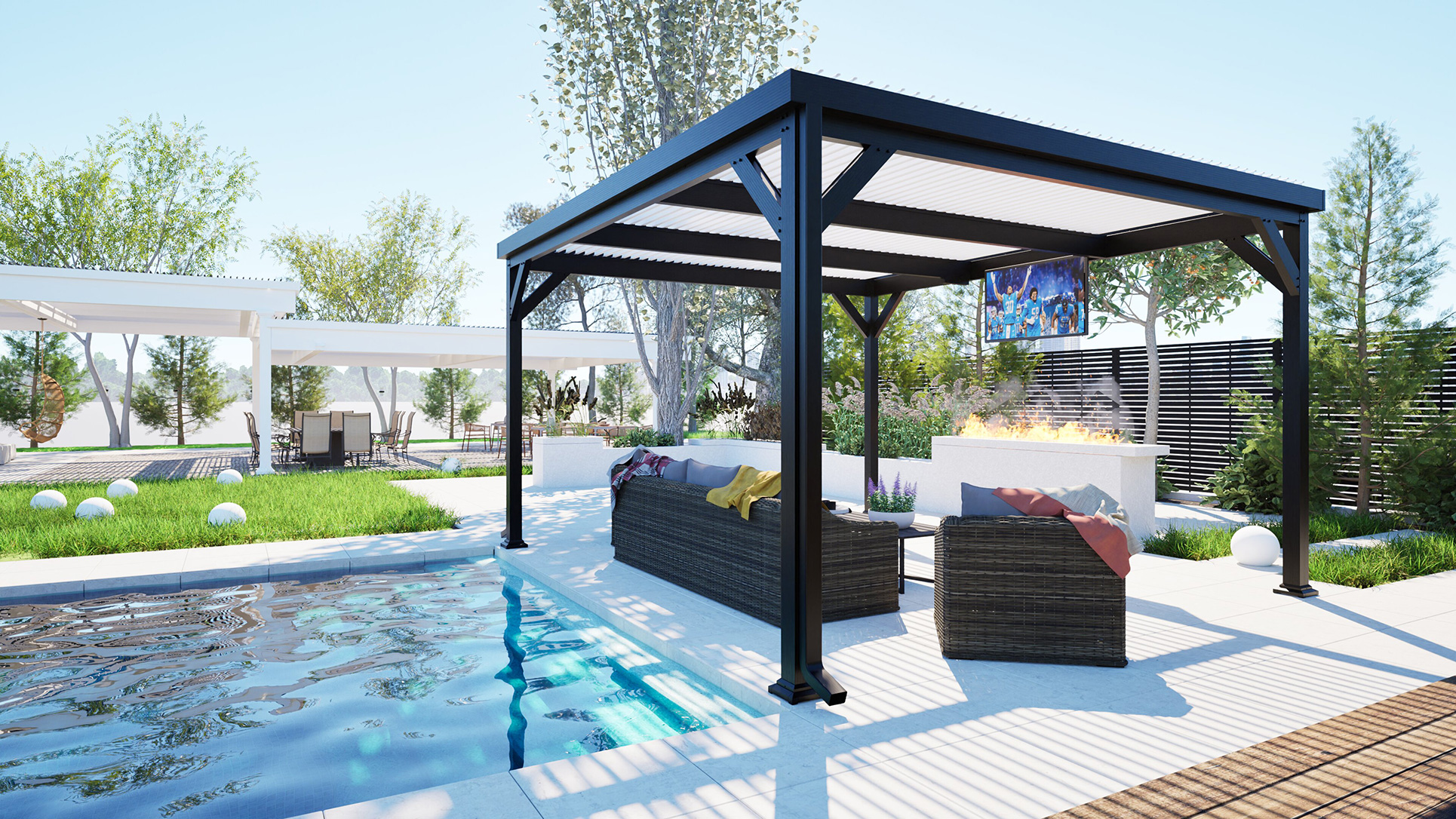
Aluminum has become increasingly popular for pergola construction due to its strength, lightweight nature, and resistance to weather conditions. Unlike wood, aluminum does not warp, crack, or rot, making it an excellent low-maintenance option. It is also resistant to rust when properly coated, which is especially beneficial in humid or coastal climates. Aluminum pergolas often feature sleek, modern designs and can be powder-coated in a variety of colors, allowing homeowners to customize their outdoor aesthetic while maintaining long-term durability.
Vinyl is another low-maintenance material that appeals to homeowners looking for simplicity and durability. It does not require painting, staining, or sealing, and it resists moisture, insects, and fading. Vinyl pergolas maintain a clean, bright appearance over time and are easy to clean with just soap and water. While they may lack the natural texture of wood, they offer a polished and uniform look that works well with contemporary and suburban home styles. Vinyl is also a cost-effective option for those seeking long-term ease of care.
Steel is one of the strongest materials used in pergola construction, making it ideal for large or structurally demanding designs. It can support heavier roofing systems, including glass, polycarbonate, or fabric canopies. Steel pergolas are often used in commercial settings or modern residential designs that emphasize bold architectural features. When properly treated and coated, steel resists corrosion and can last for decades. However, it is heavier and more expensive than other materials, and installation typically requires professional expertise.
Fiberglass is a high-performance material that offers a balance of strength, durability, and design flexibility. It is resistant to moisture, insects, and UV damage, making it an excellent choice for long-term outdoor use. Fiberglass pergolas can also be molded into various shapes and styles, allowing for highly customized designs. Additionally, they can be painted to match any color scheme, offering both aesthetic versatility and durability. While fiberglass may have a higher upfront cost, its long lifespan and minimal maintenance needs make it a strong investment.
Composite materials, made from a blend of wood fibers and recycled plastics, offer the look of wood without the high maintenance requirements. They resist warping, cracking, and insect damage, making them a practical choice for homeowners who want durability with minimal upkeep. Composite pergolas retain their color and structure well over time and require only occasional cleaning. While they may not have the natural feel of real wood, they provide a consistent, modern appearance that appeals to many homeowners seeking convenience and longevity.
Climate plays a major role in determining the best pergola material. In humid or coastal areas, materials like aluminum, fiberglass, or vinyl are often preferred due to their resistance to moisture and corrosion. In dry or temperate climates, wood options like cedar or redwood perform well and offer natural beauty. Steel may be ideal for regions with high winds or heavy snow loads due to its strength. Matching the material to your environment ensures better performance and longer-lasting results.
When selecting pergola materials, it’s important to balance aesthetics, budget, and long-term maintenance requirements. While wood offers unmatched natural beauty, it requires ongoing care. Aluminum and vinyl provide low-maintenance solutions with modern appeal, while steel and fiberglass offer maximum durability for more demanding designs. Composite materials strike a middle ground by combining visual warmth with reduced upkeep. Understanding your priorities helps ensure you choose a material that aligns with both your lifestyle and design goals.
Regardless of the material you choose, finishing touches can significantly enhance both durability and style. Adding protective coatings, UV-resistant finishes, or decorative elements like lighting and climbing plants can elevate the overall design. Accessories such as retractable canopies, privacy screens, and outdoor curtains can also improve comfort and functionality. These enhancements allow homeowners to personalize their pergola while extending its usability throughout different seasons.
Selecting the best material for a pergola is a crucial step in creating a durable and stylish outdoor space. From the natural beauty of wood to the modern strength of aluminum and steel, each material offers unique advantages that cater to different needs and preferences. By considering factors such as climate, maintenance, budget, and design goals, homeowners can build a pergola that not only enhances their outdoor living area but also stands the test of time.

Consult with a Remodeling Expert for Personalized Guidance and Exclusive Savings
Connect with us on social!

© 2026 Weatherseal Sunrooms & Home Solutions , LLC | All rights reserved
 (815) 932-4431